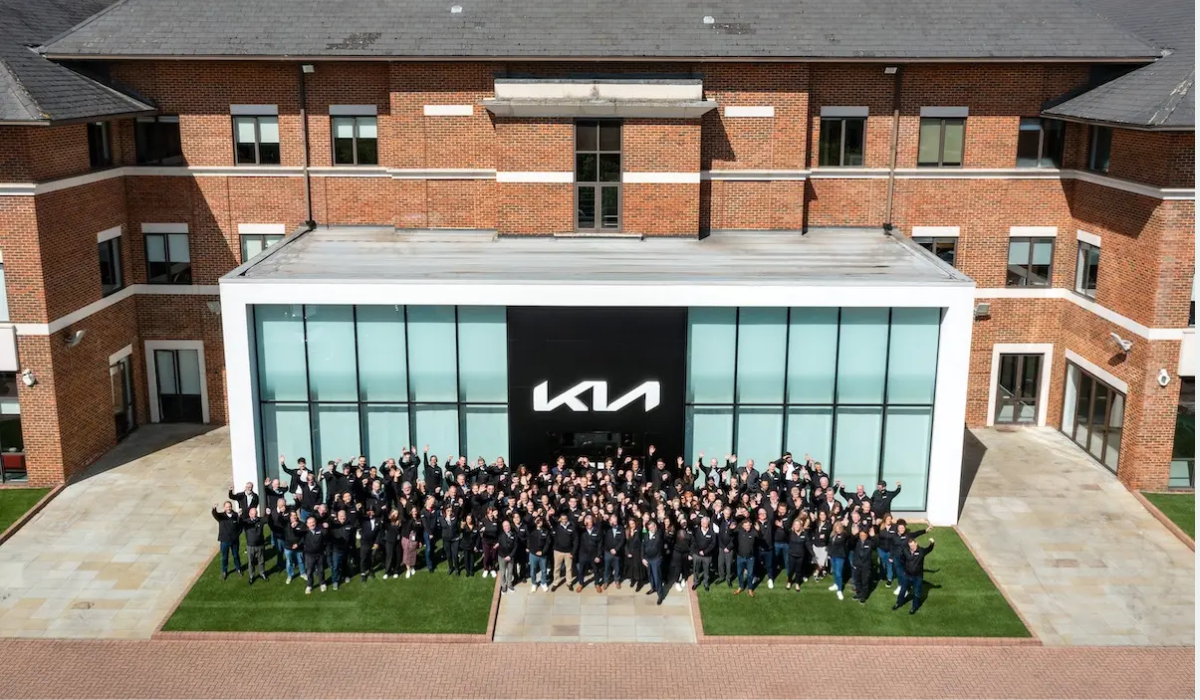



AI is reshaping entry-level jobs in the UK by reducing routine roles while creating new pathways like apprenticeships and skills-based hiring.
Key takeaways:
-
AI is reducing traditional entry-level roles in admin, clerical, and routine tasks.
-
Entry-level job postings in the UK have dropped by nearly a third since late 2022.
-
Alternative pathways like apprenticeships and skills-based hiring are growing.
-
Removing junior roles risks breaking the talent pipeline for future leaders.
-
Companies should reimagine early-career roles to balance AI adoption and workforce development.
How is AI affecting entry-level jobs in the UK?
While fears of widespread job loss exist, the reality is more nuanced: AI is transforming – not eliminating – the early-career landscape.
32% of adults in employment believe that AI could put their job at risk, according to research by the ONS. Whilst these fears are not unfounded, they may be exaggerated: the same study found that only 4% of businesses that currently use some form of AI technology reported that their overall workforce headcount had decreased as a result of using those technologies.
Another study by Adzuna found that the number of entry-level jobs, however, has fallen by almost a third since the launch of Chat GPT in November 2022. Jobs involving routine cognitive tasks (administration, clerical work, customer service, basic finance) are among the most exposed to automation, whilst customer-facing roles and skilled trades remain highly resistant.
Why does removing junior roles create long-term challenges?
Although businesses may see AI as an opportunity to reduce headcount and help the bottom line, this may do more harm than good in the longterm. Researchers at Kings College London warn that removing junior roles breaks the traditional pipeline where workers develop skills through real‑world practice. Without these early-career “training grounds”, companies may struggle to grow future senior talent internally.
LinkedIn’s Aneesh Raman made headlines saying that AI was “breaking” the career ladders that typically launched careers. “To fix entry-level work, we’ll have to reimagine it entirely,” he wrote in The New York Times. What exactly does that look like?
| Useful Read: Internal Mobility in The Age of AI
What alternative career pathways are emerging?
The biggest question this raises is how companies in the current business landscape can bring in talent of the future.
“I think managers should be thinking about sensible ways to bring people into the pipeline so that they do not face a dearth of talent in the coming years,” says Bharat Krishnan Chandar, an economist with the Stanford Digital Economy Lab and the Institute for Human-Centered AI. “Some things to consider include apprenticeship programs, internships, or perhaps collaborations with schools and universities so that students get the skills they need to succeed.”
Government research shows apprenticeships now account for 19% of AI-focused hires, up from 3% in 2020. Employers are also embracing skills-based hiring, prioritising practical, digital, and soft skills over formal degrees.
One more radical idea is to hire junior employees without assigning them to a dedicated role. Kelley Steven-Waiss, Chief Transformation Officer at World's Best Workplace ServiceNow, put forward the idea in a conversation with Fortune: Hire 100 early-career digital natives for a “problem-solving pool” that rotate around your company until they find a role that matches their skills and interests.
“It’s a problem-solving team with a mission and they will learn how to collaborate, and we will likely see innovative new solutions that existing teams wouldn’t have come up with,” she says. “They’re wearing the jersey of the problem they’re actually working to solve, and they are going to learn so much about the dynamics, about how the company makes money.”
ServiceNow has its own learning and training program, ServiceNow University, which creates a “credentials wallet” and allows employees to record skills and certifications and chart unlikely paths through the organisation.
How can companies futureproof entry-level hiring in the age of AI?
To maintain a strong talent pipeline, companies should:
-
Expand apprenticeships and internships.
-
Partner with schools and universities to build digital skills.
-
Adopt skills-based hiring to widen access to talent.
-
Use AI to augment – not replace – human roles, fostering trust and engagement.
Ultimately, diving headfirst into implementing AI, without considering how to utilise this technology in such a way that it benefits both employees and the organisation, is a recipe for disaster. The key to successfully implementing AI lies in centering trust and humanity.
Treating employees as expendable erodes morale and innovation. By considering how to use AI as a tool to empower the workforce, enhancing human capabilities rather than simply substituting them, oragnisations can futureproof themselves both technologically and culturally.
This is particularly crucial for entry-level roles, which are often most vulnerable to disruption from automation and technological change. Rethinking entry-level positions ensures that new talent can develop essential skills and feel valued as part of the organisation’s growth. By actively supporting early-career employees and integrating them into the future of work, companies can build a workforce that is resilient, adaptable, and motivated to innovate.
Ready to futureproof your workforce? Download Internal Mobility in the Age of AI – get your copy now.



.png)


 Employee Development