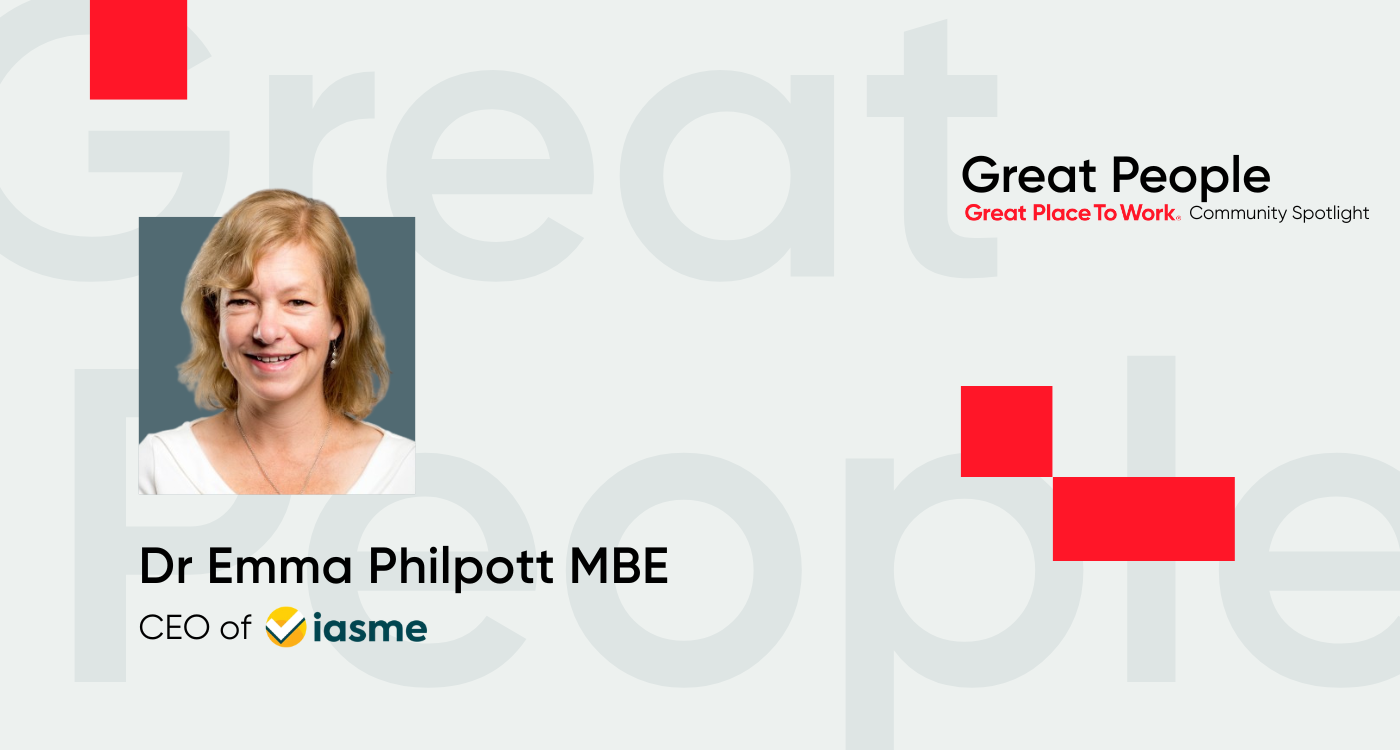


For Dr Emma Philpott, CEO of IASME Consortium, the organisation is able to "make more profit because we’re so innovative, because we’re very diverse". Below, Emma shares how IASME's divergent culture enables the business to thrive.
Scientists are trained to uncover patterns others miss, and to question assumptions. How has thinking like a scientist shaped the way you've built IASME's famously diverse team?
Emma: Questioning the usual way of doing things has been particularly important in building IASME’s diverse team. We recognise the value of different perspectives and strengths, and have tried to create an environment that values flexibility and tailored support. As a scientist, I am used to being surrounded by interesting, clever people who do not conform. When hiring, we do not look for people who “fit in” to the IASME team; we aim to create as much difference as possible. From my experience as a scientist, I believe that when a group of very diverse individuals work together, that is where the magic of innovation truly happens.
The Great Place To Work Effect highlights that innovation rooted in culture is a driver of performance and profitability. What’s one early leadership learning that helped you translate that principle into measurable outcomes?
Emma: Early on, I realised that if you want innovation in your organisation, you must create an environment where everyone feels safe to be themselves and share ideas, regardless of their role or background. Without this feeling of safety, only views and ideas that are thought to be the “correct” ones will be voiced, and the organisation will miss out on the essential ideas.
A lot of work has to go into ensuring a very diverse group of people can work together and all feel safe in this way. It is easy for there to be misunderstandings and frustrations in the environment. We address this by ensuring there is diversity in all areas of the company, including the leadership team, and also by having a welfare manager outside the management structure. The welfare manager is available to support anyone and help resolve issues.
What initially brought you to Great Place to Work? And what’s been the most surprising insight you’ve gained from the Trust Index™ survey results so far?
Emma: We had seen other organisations in the industry share the "Great Place To Work" badge and certificate and thought that it would be a wonderful accolade to have. However, when I heard about how the confidential data collected by the process can be analysed to help us understand how to improve further, I realised that could really help IASME grow in a sustainable way.
I have been surprised how useful and important the data insights have been, and we now have a much better understanding of how we can improve the organisation. We have identified some really easy wins which will make IASME better, and also some longer-term projects.
Congratulations on your Certification™! How did you celebrate this achievement with your colleagues?
Emma: We announced the award on our company-wide Teams channel and took a moment to celebrate this recognition of the hard work we’ve put into creating a positive workplace. To mark the occasion, we shared a message from our leadership team, thanking everyone for their contributions to making IASME a great place to work.
93% of your employees feel good about the ways IASME contributes to the community. What made you decide to introduce your own IASME Community in 2018, and what advice do you have for other leaders who may be thinking about starting a similar initiative for their workplace?
Emma: Through my daughter, I was introduced to a charity in Worcester called Aspie, where adults with Asperger's meet and socialise. I realised that the majority of these extremely clever individuals were out of work because of artificial social barriers. I then worked with the other IASME shareholders at the time to establish a community arm dedicated to organising and funding free cyber security training and support for adults facing barriers to employment.
Through this scheme, we have successfully recruited many of our top IASME team members, who continue to play a vital role in the company to this day. I strongly recommend implementing this approach, as it is an incredibly valuable initiative. It offers numerous benefits to the company, including improved staff attraction and retention, as employees are drawn to organisations that actively contribute to their communities.
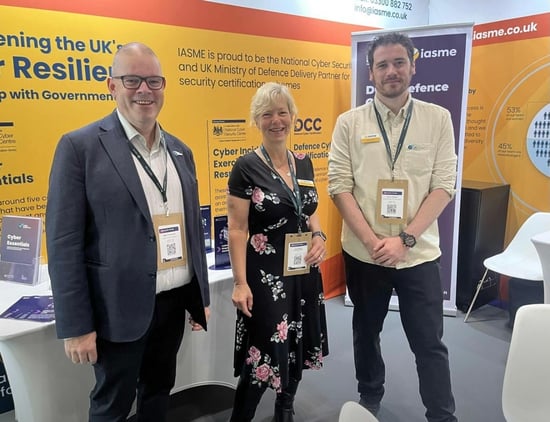 Above: CEO Dr Emma Philpott MBE with the Cyber Essentials Team.
What has been the most rewarding part of leading cultural transformation at IASME over the last 13 years? And what key areas will you be prioritising in 2026?
Emma: Building and leading a company that prioritises fairness, inclusivity, and breaking down artificial barriers has been very rewarding for me. It’s truly inspiring to see unemployed individuals secure jobs, receive the support they need, and go on to excel in their roles. In 2026, we aim to expand this ethos to more organisations within our network across the country.
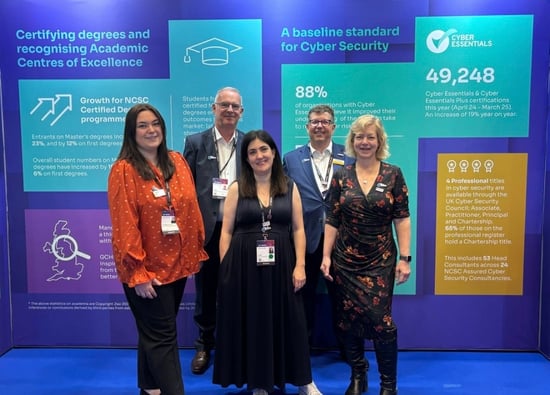
Above: Some of the IASME senior managers on the National Cyber Security Centre stand at Cyber UK.
Watch our 7-minute webinar here to learn about how your organisation can earn Certification™ as a great workplace.

 Case Studies